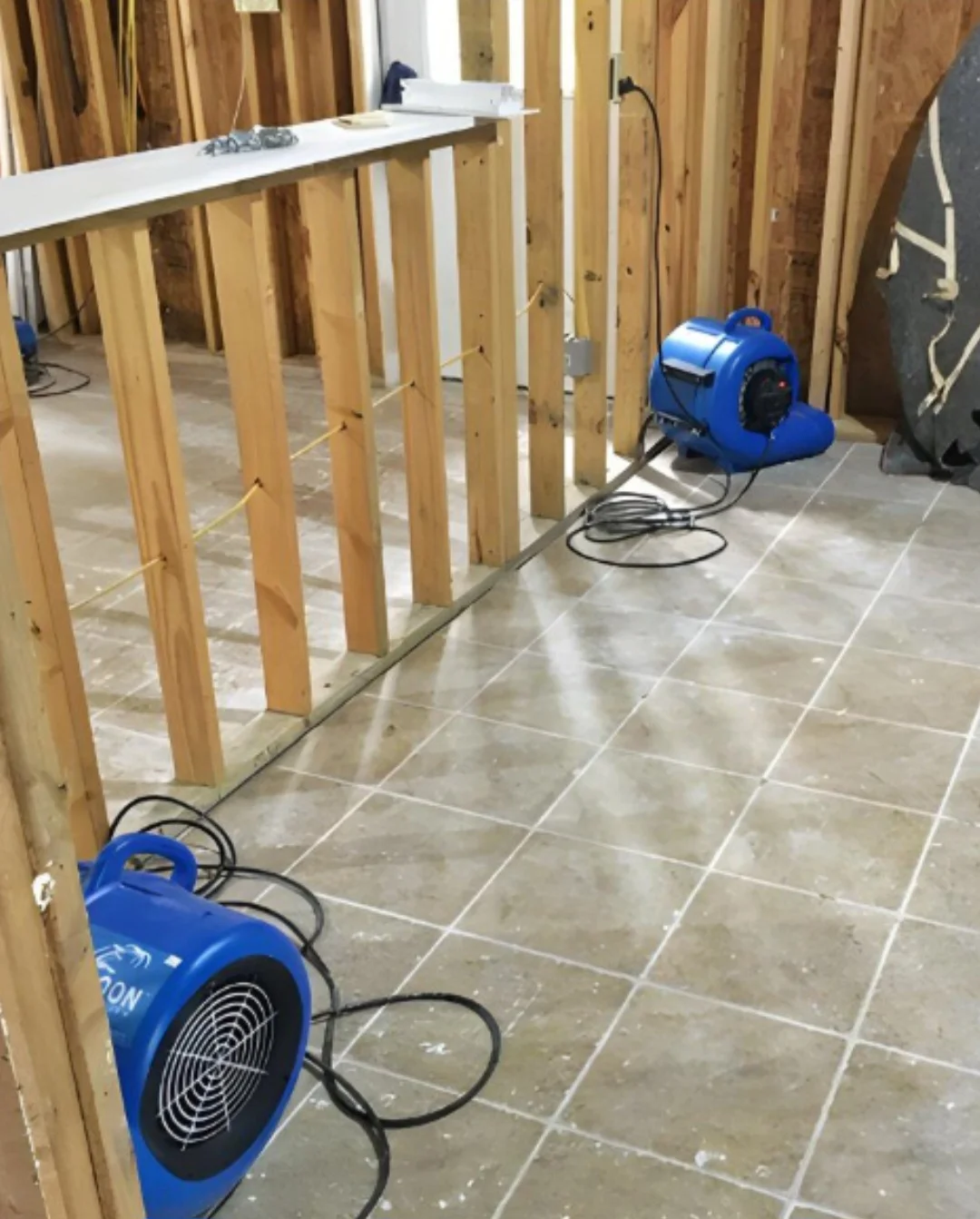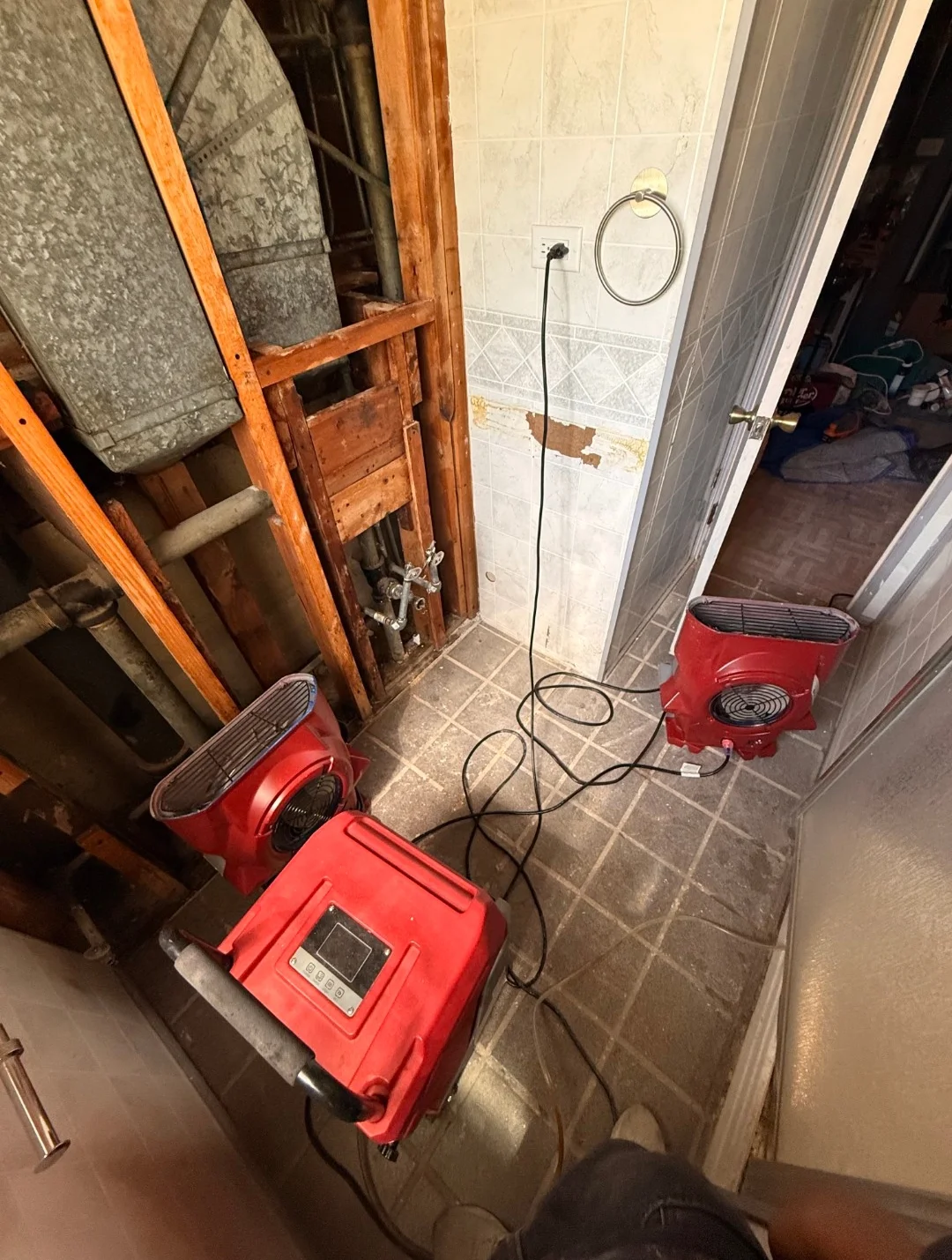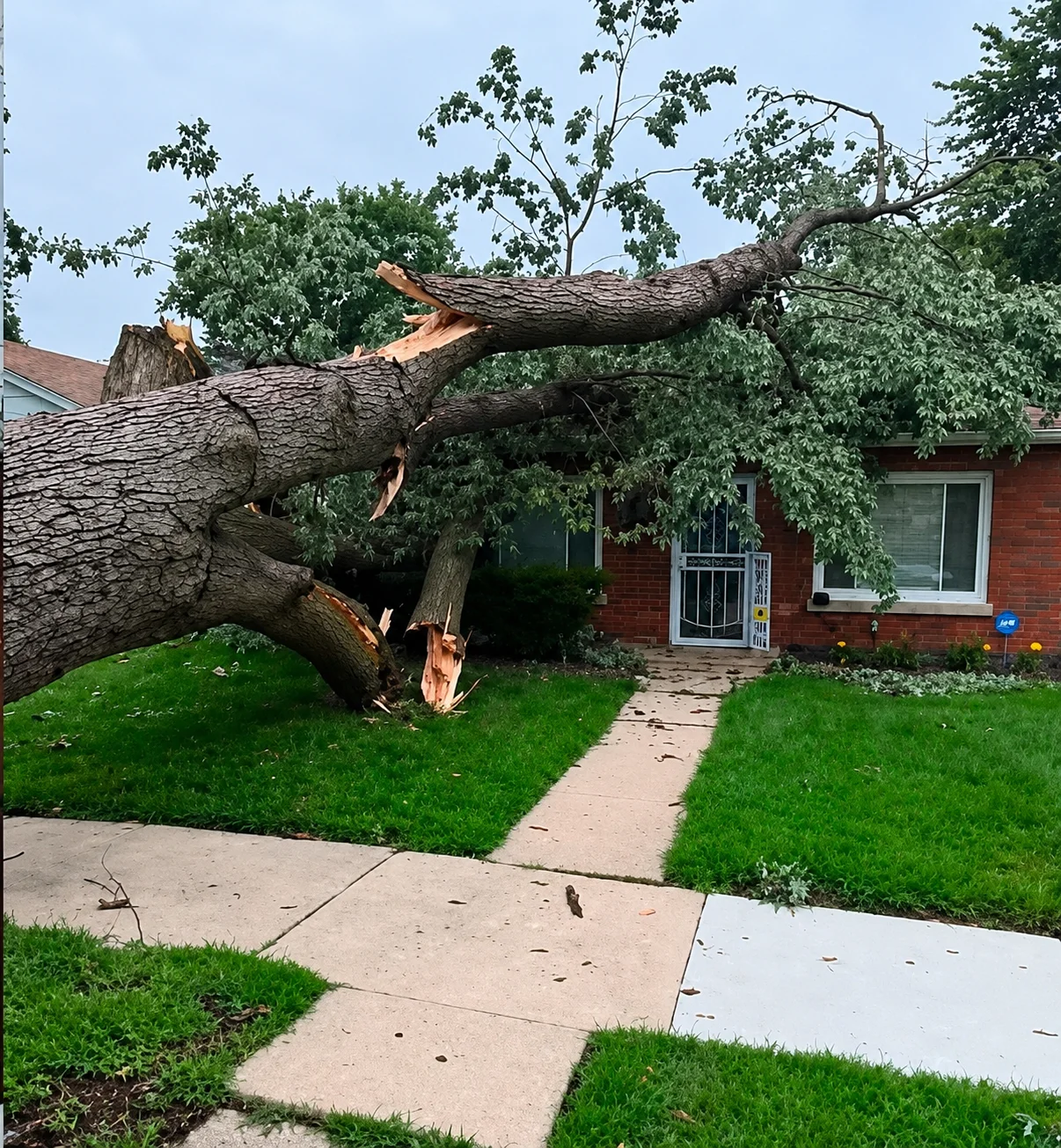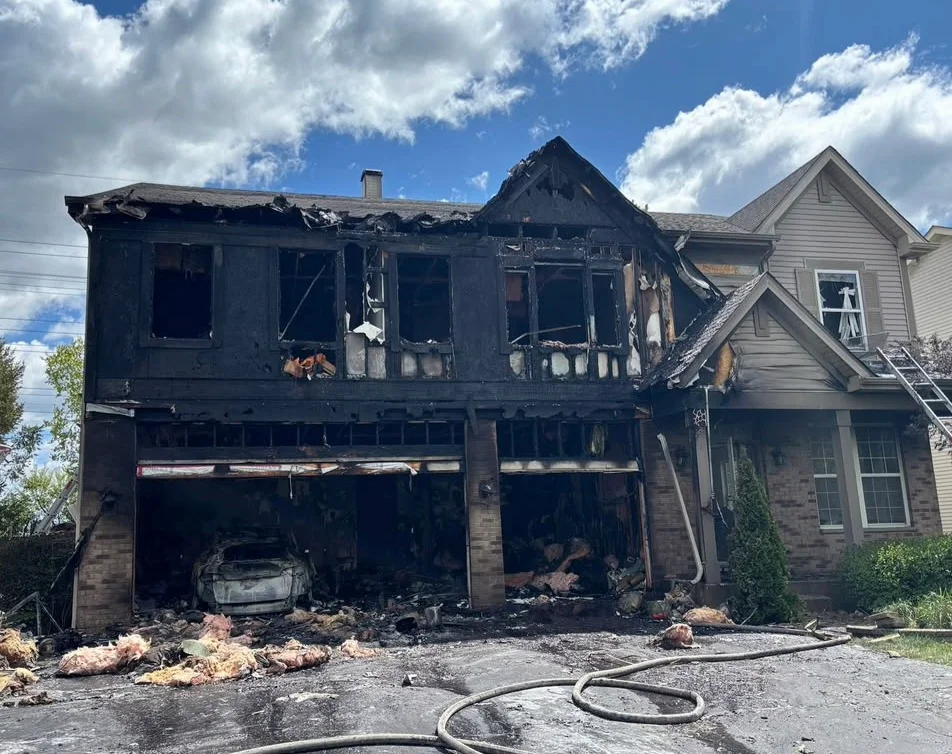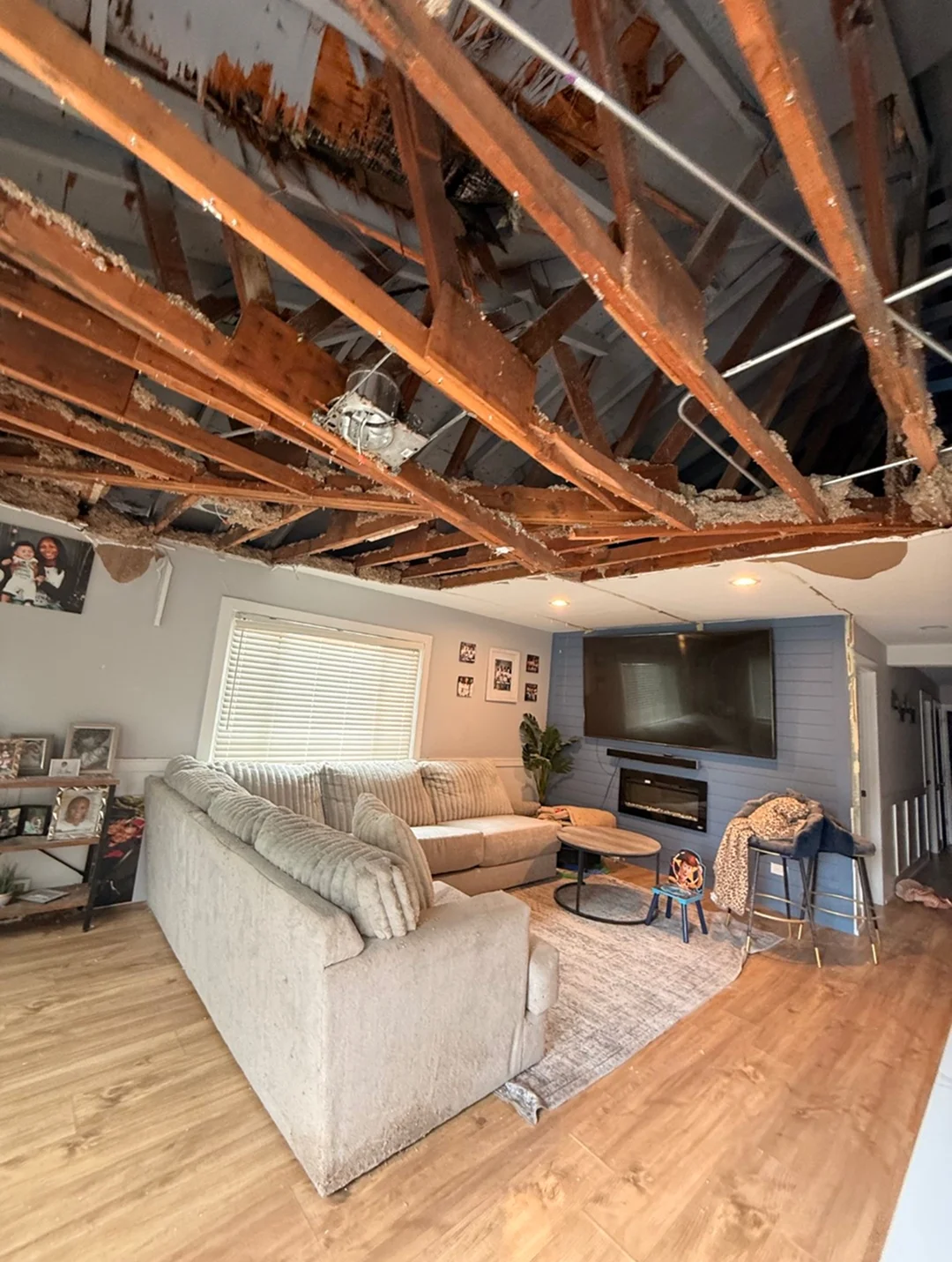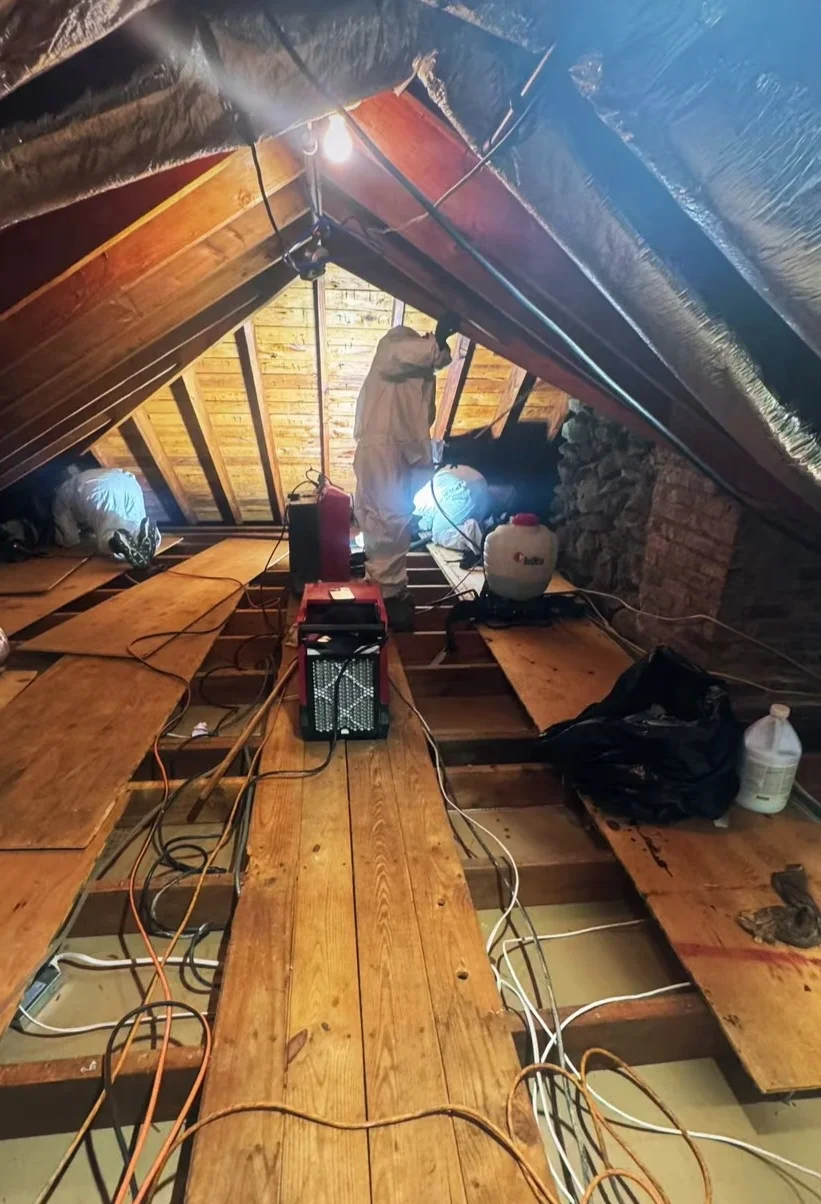
Mold can be a silent invader in your home, growing behind walls, under carpets, or in damp corners without you even noticing. Left untreated, it can damage your property and affect your health. That’s why knowing how to test for mold is essential, especially if you’ve recently experienced flooding or leaks. In many cases, mold growth follows unnoticed moisture buildup, which also highlights the importance of professional water damage restoration. This blog will walk you through the basics of mold detection, the role of water damage restoration, and when it’s time to consider expert mold removal.
1. Signs That Indicate You Should Test for Mold
Before you learn how to test for mold, it’s important to recognize the warning signs. A musty smell, persistent coughing, or visible spots on walls and ceilings are clear indicators. These often appear after water-related incidents like flooding, pipe bursts, or leaks. In such situations, immediate water damage restoration is critical to stop moisture from fueling mold growth. Mold doesn’t always grow in visible areas, so if your home has recently experienced water damage, it’s wise to test for mold even without obvious signs. Detecting the problem early is the first step toward effective mold removal.
2. DIY Methods: How to Test for Mold at Home
If you’re wondering how to test for mold yourself, there are a few basic options. You can start with a visual inspection and smell check. If you detect a musty odor or see dark patches, it’s time to investigate further. Mold test kits available in stores can help identify the presence of spores, although they may not always pinpoint the exact location. Remember, DIY methods have limitations. They may alert you to a problem, but professional inspection is often needed to fully assess the extent. And if mold is found, you’ll likely require expert mold removal services and comprehensive water damage restoration to fix the root cause.
3. Professional Testing and Why It Matters
When it comes to how to test for mold accurately, hiring a certified professional is often the safest route. Experts use tools like moisture meters, thermal imaging, and air sampling to detect mold, even in hidden areas. They can determine mold type, concentration, and exact location. This step is crucial in developing a proper mold removal plan. Plus, professionals also assess water damage and recommend necessary water damage restoration procedures. By addressing both the mold and the moisture source, they ensure your home remains safe and healthy long-term.
4. The Role of Water Damage Restoration in Mold Prevention
One key thing to understand about how to test for mold is that it’s not just about identifying spores—it’s about addressing the conditions that allow them to thrive. That’s where water damage restoration comes in. Moisture is mold’s best friend, so fixing leaks, drying out wet areas, and restoring damaged materials is essential. Skipping this step means even the best mold removal effort could fail. A complete solution always includes drying, cleaning, and repairs through a professional water damage restoration team.
Understanding how to test for mold helps protect your home and health. While DIY kits offer a starting point, professional testing ensures thorough detection and effective treatment. Pairing this with trusted water damage restoration and expert mold removal ensures long-term safety.
Are you looking for mold removal near me in Bartlett? Contact our team today for a complete inspection and restoration plan tailored to your needs.