(847) 293-7565
Categories Blog

What Is Water Damage Restoration Service?

what is water damage restoration service

Water damage can strike unexpectedly, whether from a burst pipe, flooding, or appliance failure. When disaster hits, fast action is critical. But what is water damage restoration service, and why is it so important? Simply put, it’s the process of cleaning, drying, repairing, and restoring a property after it’s been damaged by water. This blog explains exactly, why it’s necessary, and how it helps protect your home and health.

1. Understanding What Is Water Damage Restoration Service

This service is more than just water removal. It includes a series of steps designed to return your property to its pre-damage condition. Trained professionals assess the damage, extract water, dry the affected areas, clean up debris, sanitize, and repair any structural damage. Proper water damage restoration also involves identifying and eliminating moisture sources to prevent mold growth or further issues.

2. The Water Damage Restoration Process Step-by-Step

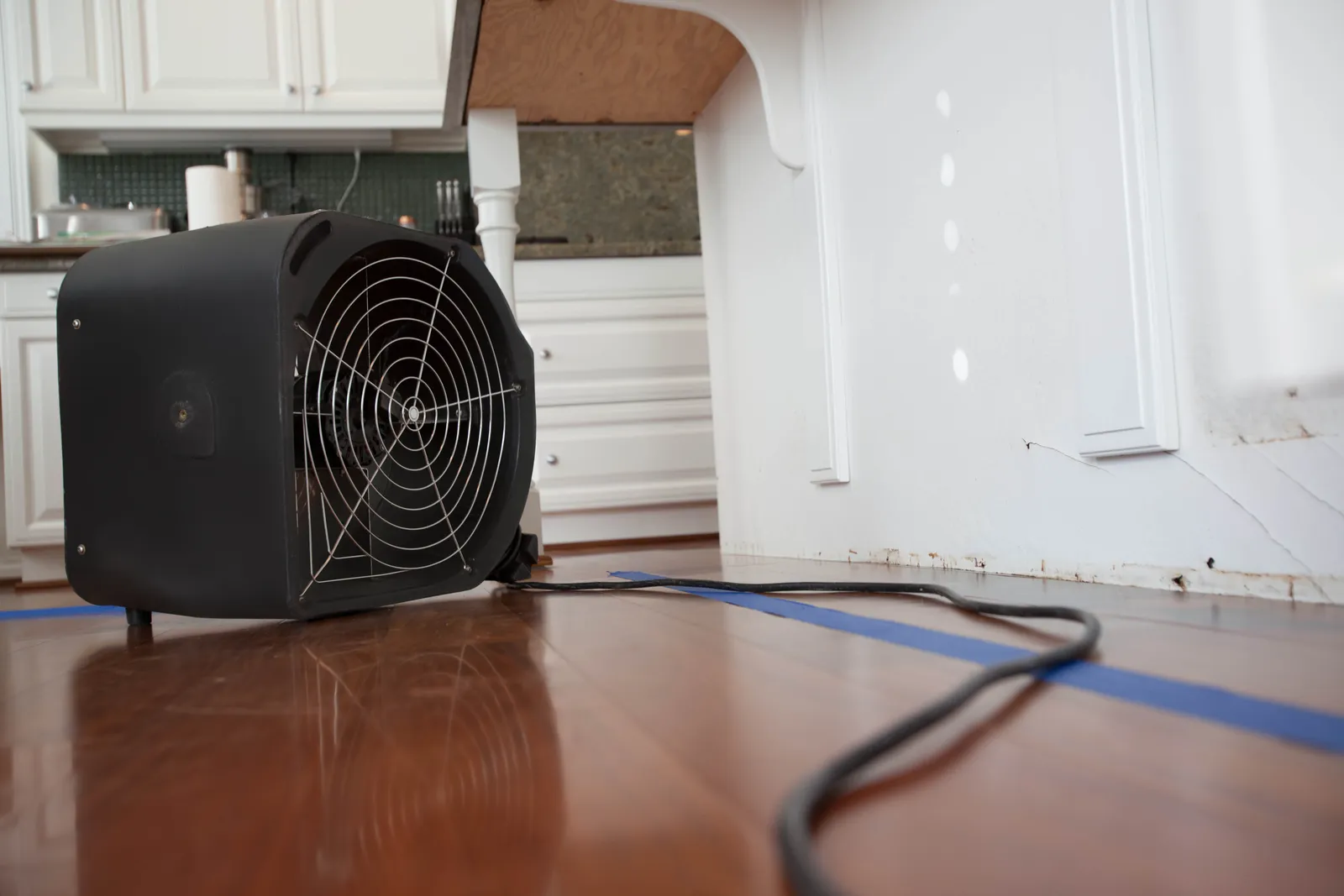
If you’re still unsure about how the restoration process works, here’s what you can expect step by step. It starts with an inspection to identify the extent of the damage. Next, powerful pumps and vacuums remove standing water, followed by drying using industrial fans and dehumidifiers. Once dry, affected surfaces are cleaned and disinfected. Finally, damaged drywall, flooring, or structural elements are repaired or replaced. This full cycle ensures the water damage restoration is thorough and lasting.

3. Why Prompt Restoration Is Essential

Now that you understand what is water damage restoration service, it’s important to know why timing matters. Delayed action can lead to mold, weakened structures, and even health risks from bacteria and allergens. A fast response limits damage and reduces repair costs. Professional water damage restoration teams are trained to act quickly, using advanced equipment to stabilize your property and stop further issues before they start.

4. How to Choose the Right Restoration Team

When it comes to deciding who to call, understanding what is water damage restoration service helps you choose a qualified team. Look for certified professionals with experience, modern equipment, and positive reviews. A reputable company will guide you through insurance claims and explain each step of the water damage restoration process clearly. Working with experts ensures the job is done correctly the first time, giving you peace of mind during a stressful situation.

So, what is water damage restoration service? It’s a crucial solution for homeowners facing water-related disasters. From cleanup to full repairs, this service helps restore safety and comfort to your home. If you’ve experienced flooding, leaks, or moisture issues, don’t wait. Are you looking for water damage restoration service near me in Bartlett? Contact our professional team today for fast, reliable support.

Categories Blog

How to Test for Mold: A Practical Guide for Homeowners

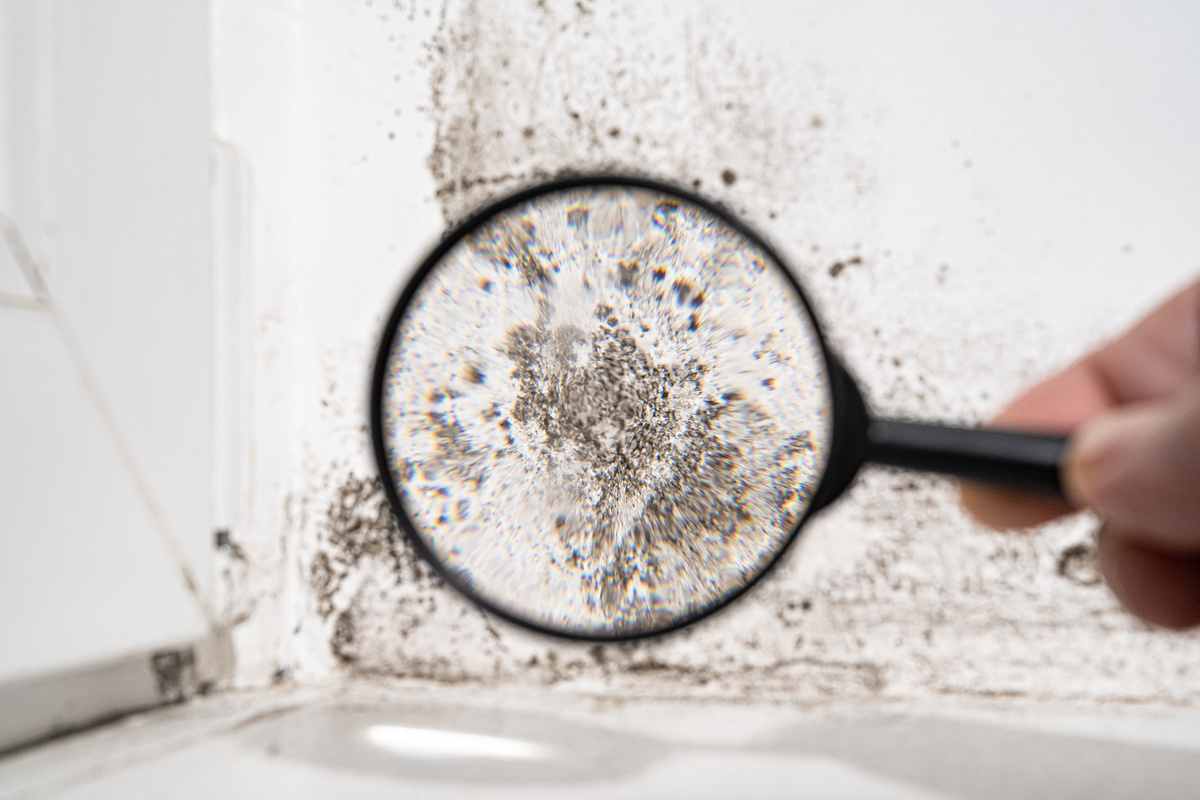
Mold can be a silent invader in your home, growing behind walls, under carpets, or in damp corners without you even noticing. Left untreated, it can damage your property and affect your health. That’s why knowing how to test for mold is essential, especially if you’ve recently experienced flooding or leaks. In many cases, mold growth follows unnoticed moisture buildup, which also highlights the importance of professional water damage restoration. This blog will walk you through the basics of mold detection, the role of water damage restoration, and when it’s time to consider expert mold removal.

1. Signs That Indicate You Should Test for Mold

Before you learn how to test for mold, it’s important to recognize the warning signs. A musty smell, persistent coughing, or visible spots on walls and ceilings are clear indicators. These often appear after water-related incidents like flooding, pipe bursts, or leaks. In such situations, immediate water damage restoration is critical to stop moisture from fueling mold growth. Mold doesn’t always grow in visible areas, so if your home has recently experienced water damage, it’s wise to test for mold even without obvious signs. Detecting the problem early is the first step toward effective mold removal.

2. DIY Methods: How to Test for Mold at Home

If you’re wondering how to test for mold yourself, there are a few basic options. You can start with a visual inspection and smell check. If you detect a musty odor or see dark patches, it’s time to investigate further. Mold test kits available in stores can help identify the presence of spores, although they may not always pinpoint the exact location. Remember, DIY methods have limitations. They may alert you to a problem, but professional inspection is often needed to fully assess the extent. And if mold is found, you’ll likely require expert mold removal services and comprehensive water damage restoration to fix the root cause.

3. Professional Testing and Why It Matters

When it comes to how to test for mold accurately, hiring a certified professional is often the safest route. Experts use tools like moisture meters, thermal imaging, and air sampling to detect mold, even in hidden areas. They can determine mold type, concentration, and exact location. This step is crucial in developing a proper mold removal plan. Plus, professionals also assess water damage and recommend necessary water damage restoration procedures. By addressing both the mold and the moisture source, they ensure your home remains safe and healthy long-term.

4. The Role of Water Damage Restoration in Mold Prevention

One key thing to understand about how to test for mold is that it’s not just about identifying spores—it’s about addressing the conditions that allow them to thrive. That’s where water damage restoration comes in. Moisture is mold’s best friend, so fixing leaks, drying out wet areas, and restoring damaged materials is essential. Skipping this step means even the best mold removal effort could fail. A complete solution always includes drying, cleaning, and repairs through a professional water damage restoration team.


Understanding how to test for mold helps protect your home and health. While DIY kits offer a starting point, professional testing ensures thorough detection and effective treatment. Pairing this with trusted water damage restoration and expert mold removal ensures long-term safety.

Are you looking for mold removal near me in Bartlett? Contact our team today for a complete inspection and restoration plan tailored to your needs.

Categories Blog

Can Black Mold Make You Sick?

What Exactly Is Black Mold?

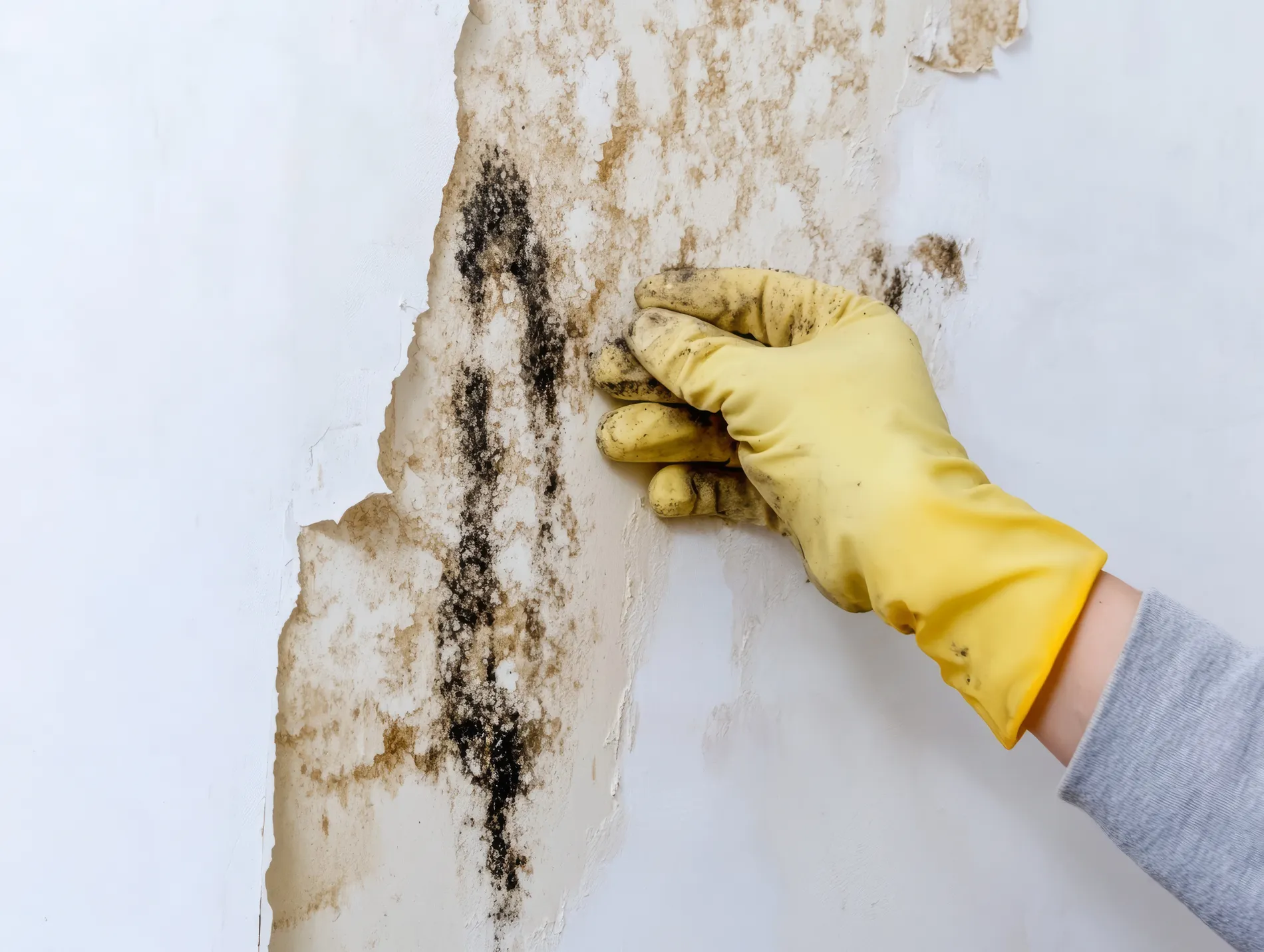
A common black mold is called Stachybotrys chartarum. It could also have a greenish hue. It thrives on materials like paper, cotton, and wood. In its airborne spores and fungal pieces, it sometimes creates hazardous compounds.

Mycotoxins are what they are, and eating them may be harmful. There is no association between breathing in Stachybotrys chartarum mycotoxins and fatal illnesses. People with allergies, asthma and other hypersensitivities are in danger, nevertheless.

There is no proof that symptoms like exhaustion, memory loss, an inability to concentrate, or a headache are brought on by black mold. The “toxic mold syndrome” label has been applied to these symptoms, however, this is mostly a result of media hype. However, some individuals are allergic to mold. It must constantly be taken out of your house.

How Does Black Mold Develop?

Molds play a crucial role in our ecosystem. They break down decaying plants and animals. If the circumstances are correct, any kind of mold may develop. Mold spreads and thrives swiftly in the correct environments, which include:

  • 40 to 100 degrees Fahrenheit is the temperature range.
  • 70% or more moisture content (humidity)
  • An adequate supply of food (such as drywall)
  • Oxygen

Anywhere in your home that has these circumstances may support the growth of mold. Where the mold is most likely to develop is in:

  • Somewhere that has had a water leak.
  • Basements, where humidity levels are often greater.
  • Any locations that often condense water.
  • Any locations where there has not been any flood restoration.
  • Bathrooms and other moist spaces with little ventilation.

Symptoms Of Exposure To Black Mold

People who are allergic to mold or those who are exposed to it for a long time may have symptoms as a result. The following are the most typical signs of mold exposure: coughing, drip post nasal, eyes, nose, or throat itch sneezing as well as dry, scaly skin, and a blocked nose.

If you have asthma, use caution. An attack might be brought on by mold exposure. A mold-induced asthma episode may present with any of the following symptoms: respiration difficulty, wheezing, having a tight chest, and coughing.

The Removal of Black Mold

Keep yourself safe

If you discover mold in your home, you shouldn’t be concerned about getting it tested. No matter what kind of mold it is, you should remove it. Prior to attempting to eliminate mold, take safety measures. To prevent inhaling mold spores, use an N-95 face mask. Wear goggles without ventilation holes to protect your eyes, and gloves to protect your hands.

Find the mold and remove it

Finding and doing a water removal for the mold’s water supply is the most crucial step in mold removal. Without moisture, mold cannot develop. So, if an item exhibits mold growth or water damage, it should be thrown away immediately. Moisture is absorbed by porous materials including carpet, padding, drywall, and paper. Over moldy surfaces, you should not caulk or paint. Prior to painting is removing the mold and dry the surfaces as mold will cause painted surfaces to peel. To prevent the spread of mold spores, use plastic sheeting to isolate a moldy area from the rest of your home.
Clean any moldy hard surfaces with soap and water before completely drying them.
Before removing any moldy things from the room, place them in a plastic bag to stop the spread of mold spores, and to catch any of them that may be in the air in your home.

With bleach, use caution

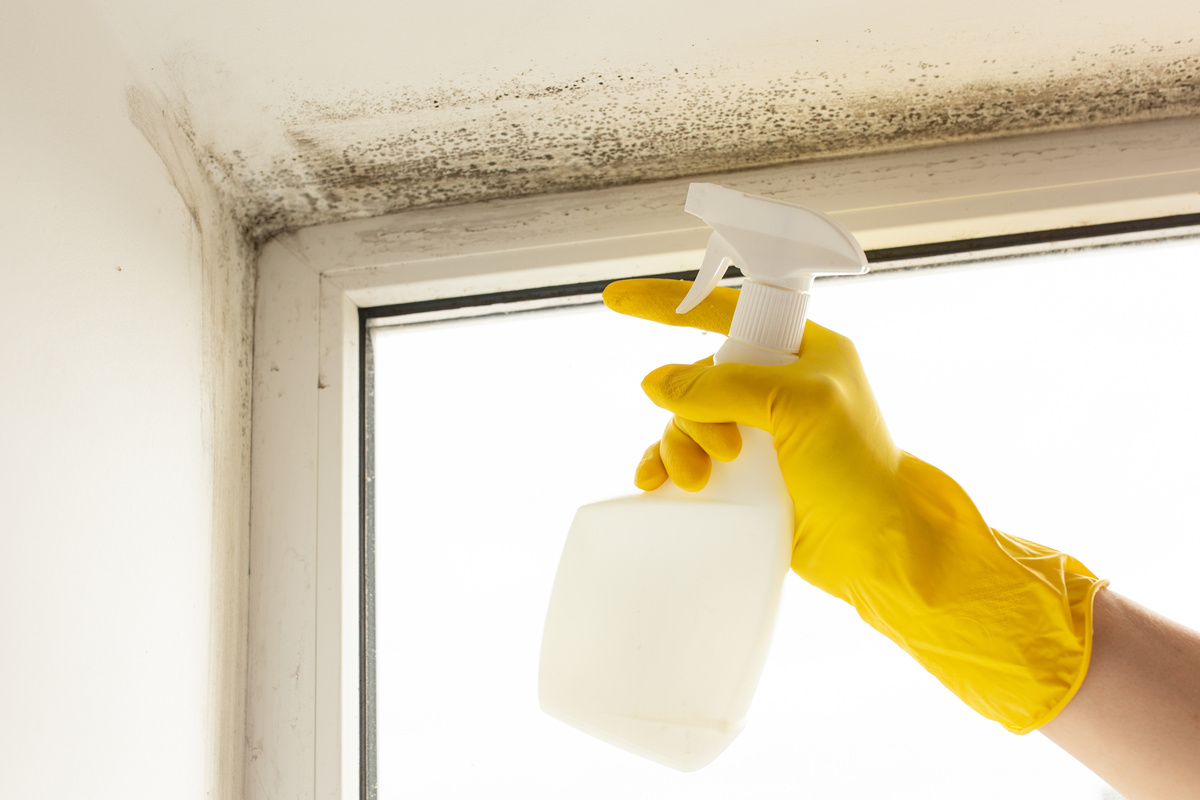
If you’re using bleach to remove mold never combine it with any other home cleaners, particularly those that include ammonia. A deadly gas that may kill you is created when bleach and ammonia are combined so always read and abide by the manufacturer’s instructions before using bleach or any other cleaning product. Also, allow in fresh air when using bleach, and open your windows and doors. Moreover, to protect your skin and eyes from it, put on rubber boots, gloves, and goggles.

Mold Prevention Methods

In order to stop mold from forming in your house, moisture must be managed. The following advice will assist in preventing mold from becoming a problem and avoid the necessity for mold remediation or water damage restoration Bartlett services:

  • Reduce the humidity in your home to under 50%. This may be helped with the use of a dehumidifier or air conditioner. Ensure that your home is dry, clean, and has enough ventilation, and eliminate any water leaks right now.
  • In the kitchen and bathroom, use ventilation fans. Don’t install carpet in areas that are prone to become wet,  and ensure that damp floor mats are rapidly dry.
Categories Blog

How Does Water Damage Appear?

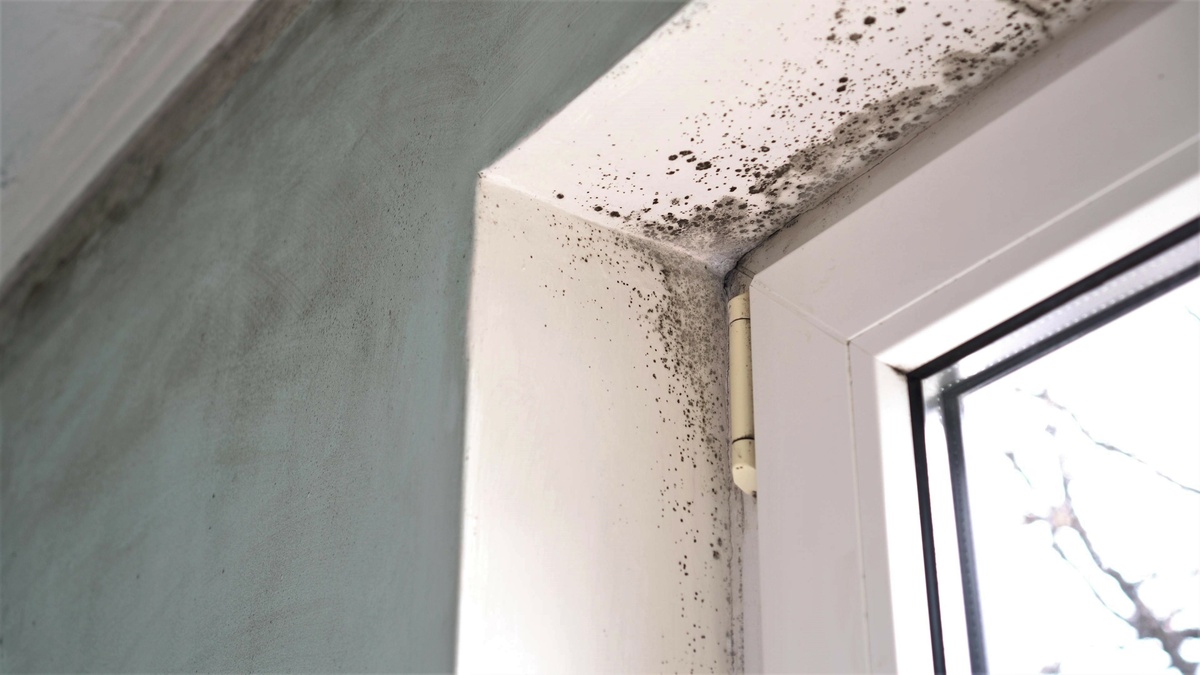
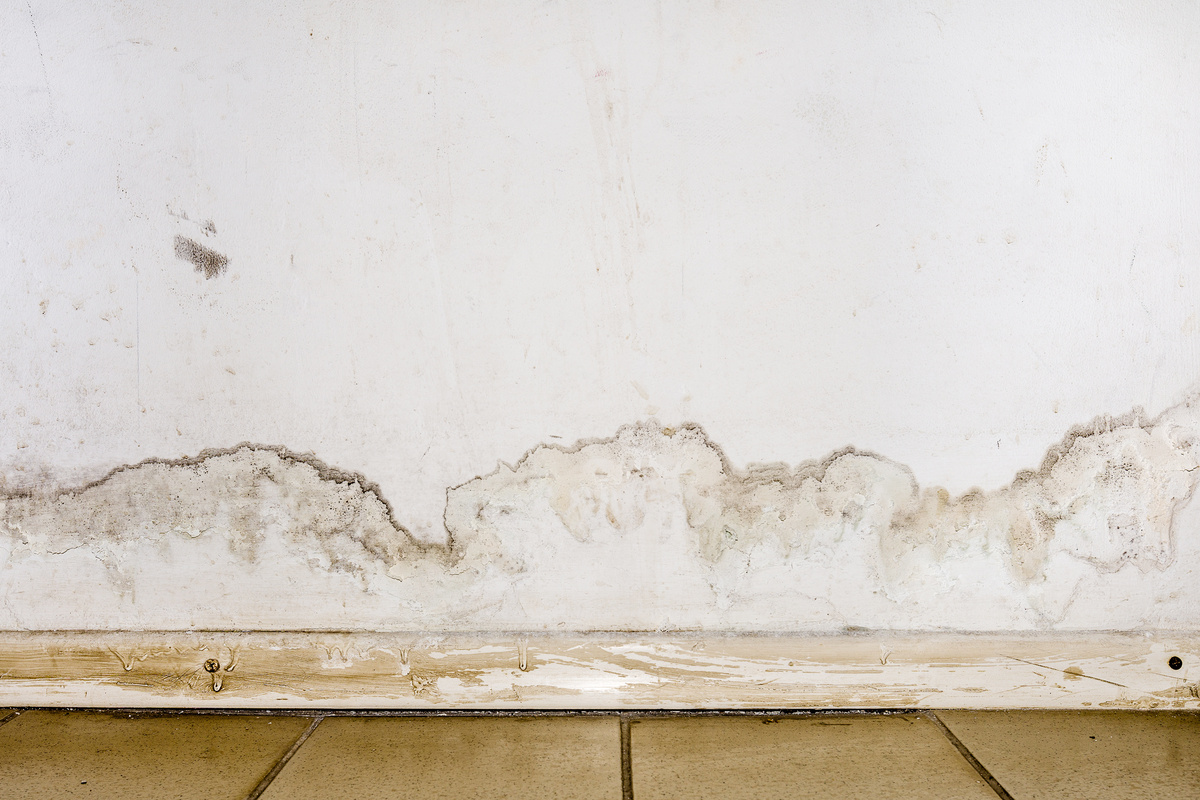
damp wall in need of water restoration Bartlett

How to Spot Water Damage In House?

Numerous events, such as hurricanes, violent thunderstorms, localized floods, broken pipes, and leaky appliances, may result in water damage. It also manifests in a variety of ways. It may enter your walls, floors, and ceilings rapidly or gradually, leaving behind slightly different symptoms of damage in each location. Water damage may happen if a leak is ignored or not discovered right away. Wet rot may lead to structural problems, wood deterioration, mold growth, and other health risks, as well as future financial difficulties. When attempting to find water damage, keep an eye out for these symptoms:

Warning Indicators Of Water Damage
To Your Ceiling

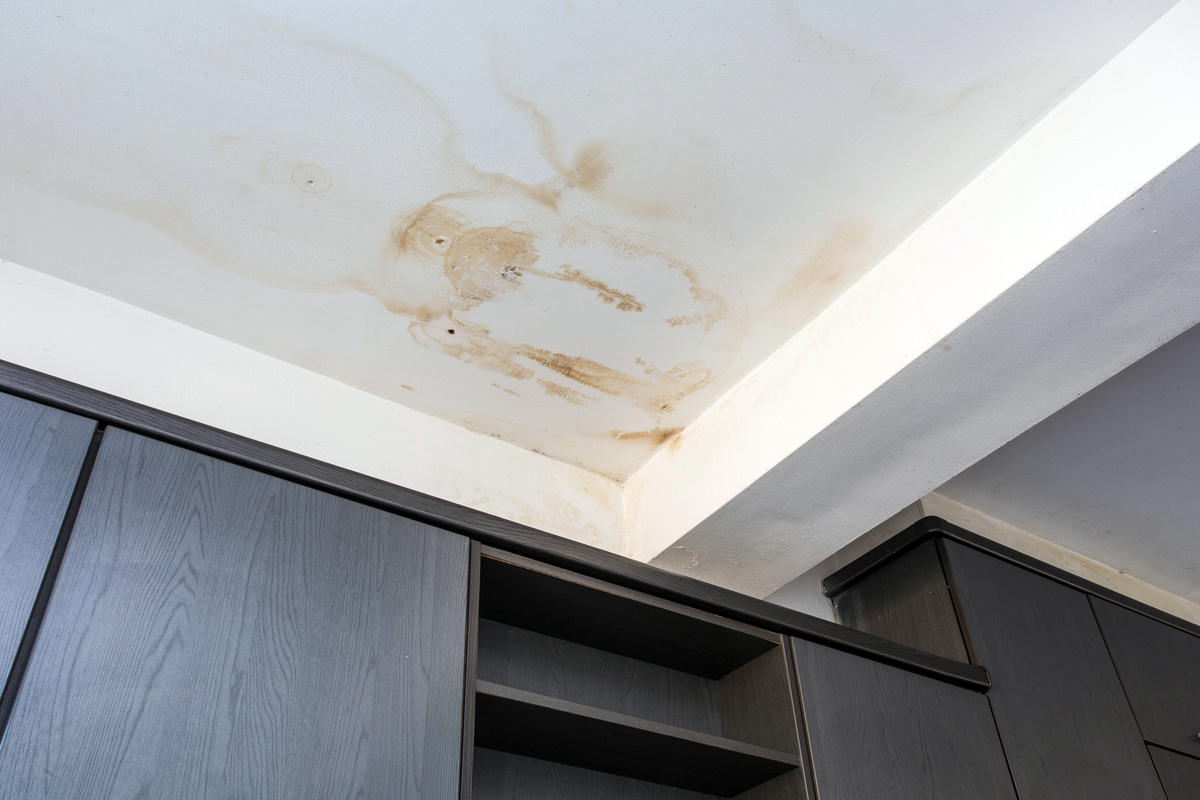
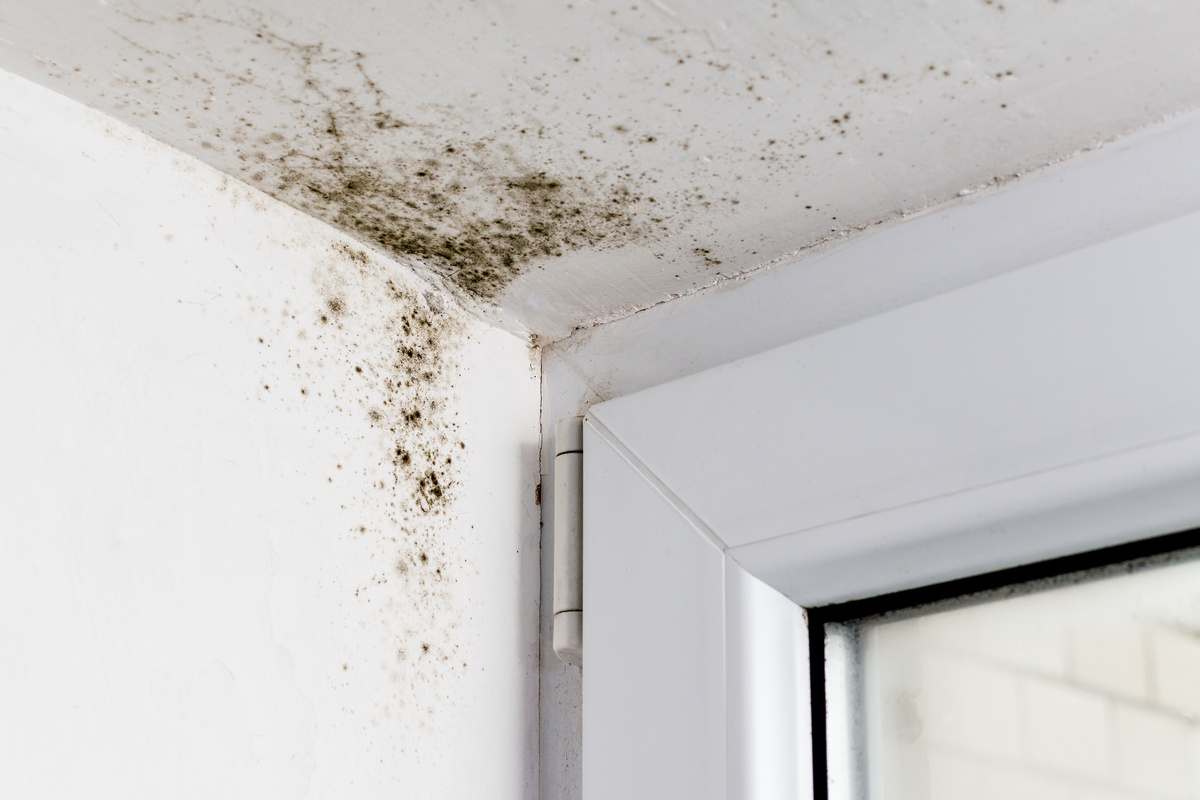
close-up to white water damage ceiling Bartlett

  • Paint that is flaking, bubbling, or peeling; fractured surface with tiny fissures or a more extensive spiderweb pattern with a common occurrence of brownish water stains.
  • Thriving mold in dark, and damp places like basements, particularly in the crevices between the walls and the roof, and in ceilings that have sagged and bowed.
  • Water damage that looks like rust or a dark yellow coloration on the affected area, and if the air has a musty smell.

Warning Indicators Of Water Damage
To Your Walls

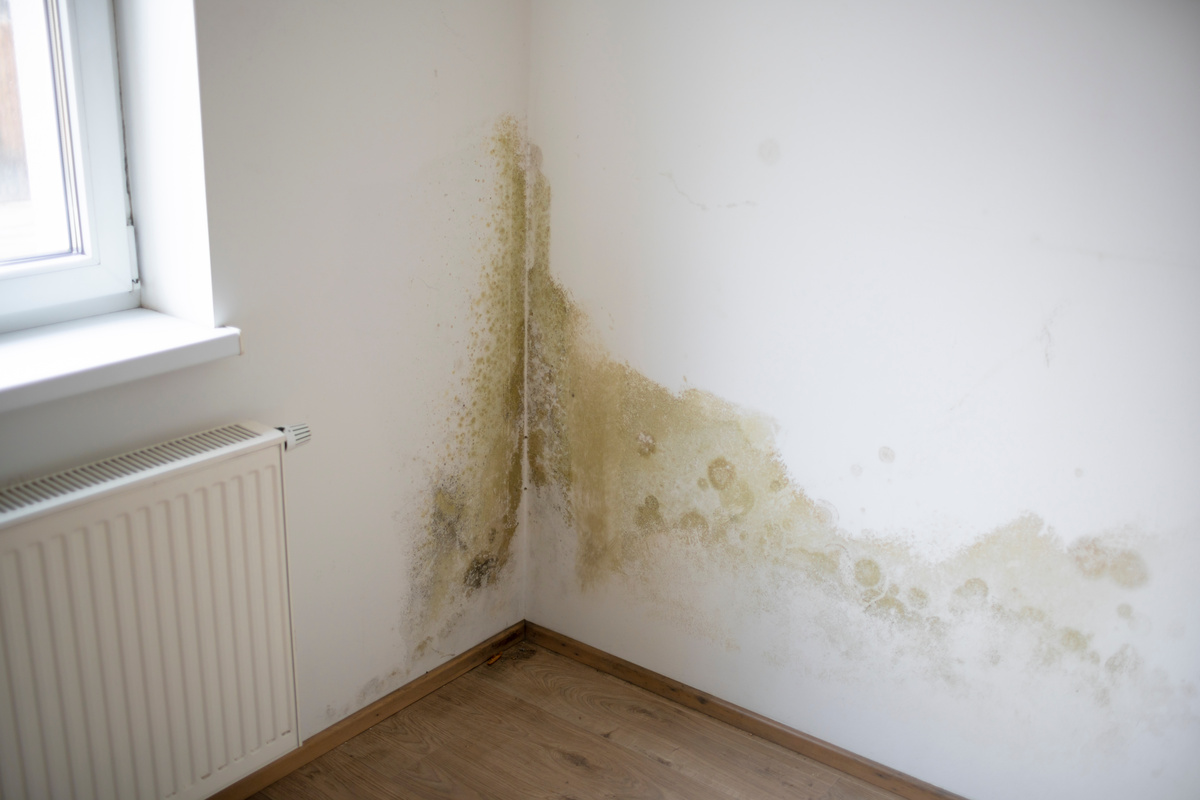
water damage Bartlett to the white wall in the corner of the room

  • The main sign is plasterboard that has been loosened. You should try to push on the places where water damage is suspected if you can do so safely. Even if the outside of a wall doesn’t seem damaged, water damage may be present if it dips inward or gets depressed.
  • Wall discoloration, which is often seen as streaks that extend horizontally from the afflicted location. These streaks may be very short or rather lengthy.
  • Paint that’s peeling, bubbling, or has cracks. When water seeps through a wall, it may cause the paint on the outside to shift, which can result in bubbles of varied sizes and a musty odor.

Warning Indicators Of Water Damage
To Your Floors

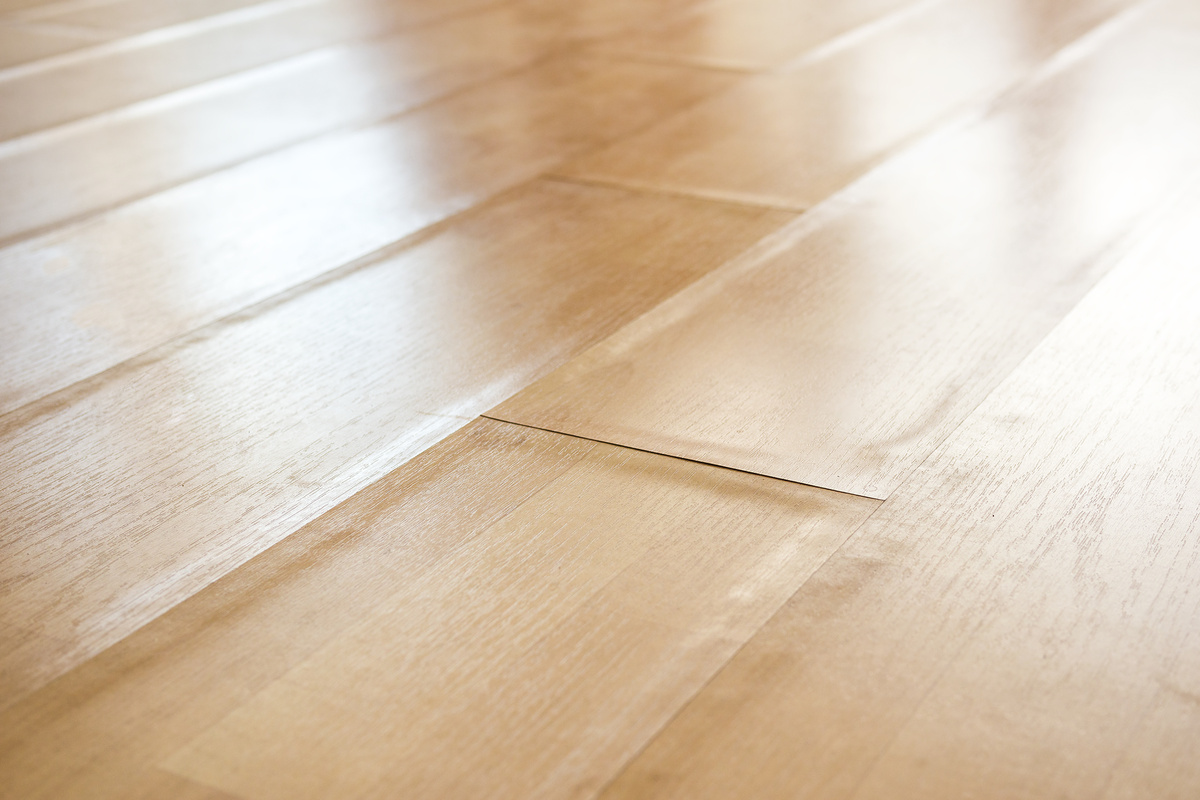
destroyed wooden floor in need of water damage restoration Bartlett

Keep an eye out for the following indicators of water damage on your floors, keeping in mind that hardwood flooring is particularly vulnerable to it:

When the floor buckles, it might tear up at the seams, and flooring cracking or bubbling due to warping, mold or mildew might be the cause of the floor’s discoloration. Concavity is when the ends of the board rise while the center is somewhat depressed. Also, crowning occurs when moisture in the floor evaporates, causing the center to rise while the sides sink and the boards become rounded. It can appear with scents and fragrances of mustiness

Do You Suspect Water Damage
But Can’t See It?

Watch Out For These Frequent Signs Among
Water Damages!

Black mold, which usually appears in wall and ceiling cracks, is a major health risk in poorly maintained homes, if there was an unexpected jump in the water bill, colorational blemishes, odors and scents of mustiness as well as damaged or distorted walls, ceilings, and/or flooring, flaking layers of paint or paper this indicates the possible need for water damage restoration Bartlett.

Categories Blog

Is there mold contamination in your home or business?

If you believe that mold has become an invisible resident in your home or business, then we at CCR Damage Restoration can help you clarify your concerns and eliminate the problem. Our specialists are trained and certified in mold removal, and we can provide you with an accurate and honest assessment of the severity of the problem on your property. We have very accurate inspection techniques and highly sensitive mold testing to help identify and locate mold contamination.

Mold and Mold Spores

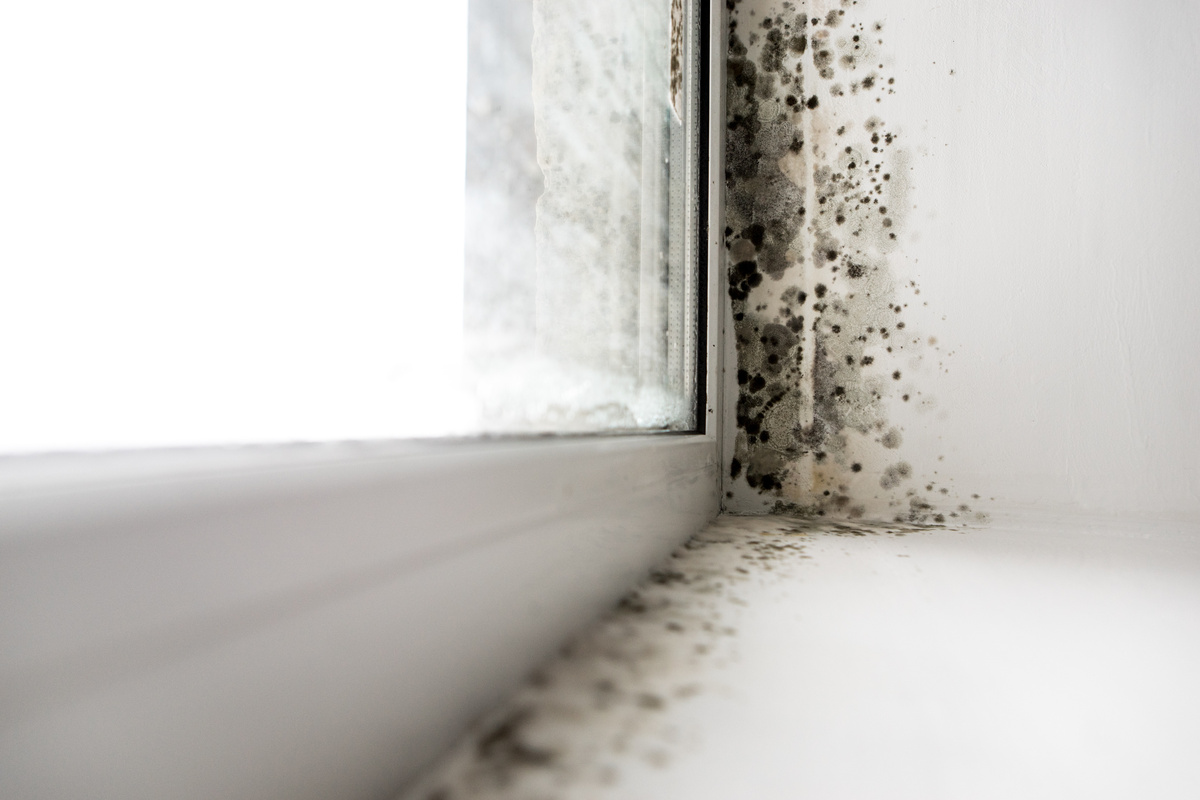
Understanding the difference between mold and mildew will help you determine the nature of the problem you are facing. The term mold refers to different specific types of mold or fungi and is used when describing mold growth. Typically, mold is found where there is a high degree of moisture, such as in showers and windowsills.

Mold is a category that includes many species of microscopic fungi that can live on any organic matter, such as ceilings, walls, floors, clothing, and paper. In buildings with basements or sublevels, a noticeable musty odor is common.

Mold spores reproduce naturally, so it is impossible to maintain a “mold-free” structure. If there is dust, there are mold spores. This is a fact and these mold spores pose little threat to the indoor air quality of the property and its occupants. Their health risk will depend on the extent to which the building materials can be kept clean and dry. When mold spores enter your home or business and land on damp surfaces, mold will begin to grow. The presence of mold in a property is not normal and this fact should be addressed promptly whenever its presence is detected by hiring a professional mold remediation service.

Can Mold on walls make you sick?

The answer is yes. Exposure to damp, moldy areas may cause various health issues, especially for people who have respiratory diseases or preconditions, such as asthma, emphysema, and other restrictive respiratory illnesses or are allergic to mold. Symptoms may include:

  • Sneezing
  • Runny nose
  • Coughing
  • Wheezing
  • Shortness of breath
  • Itchy, watery eyes
  • Skin rash

Anyone having been exposed to mold spores and presenting any of these symptoms, either a single one or associated, should consult your physician, a healthcare provider, your state or local health department, or the Centers for Disease Control’s website, www.cdc.gov/mold.

Mold Contamination & Testing

Often, mold contamination on your property can be found with a quick inspection. Although it may not be visible, your house or place of business may have high quantities of airborne mold. The proper way to evaluate your air quality or mold problem is to hire a professional mold remediation service. The CCR Damage Restoration certified specialists can answer many of your questions over the phone and will also provide you with professional advice regarding your specific situation. Be aware that we even offer free, on-site mold assessments during normal business hours to further address your air quality and mold concerns.

Building material changes, accelerated construction methods, occupant negligence in
managing moisture intrusion and humidity, and an increased reliance on mechanical heating and cooling for comfort have all contributed to a significant increase in recent years of mold growth in buildings. Concerns over air quality have also increased as a result of people’s awareness of this fact, significant media attention, and legal actions.

Assessing individual mold and air quality concerns can be very difficult because professional indoor air quality (IAQ) organizations, state governments, and the U.S. Environmental Protection Agency (EPA) have not agreed upon threshold exposure limits or levels of visible mold growth that should constitute a concern for occupant and worker’s safety. Since hidden or disguised mold development and contamination due to settled spores (not visible) that are spread from areas of real growth are not taken into account, measuring visible levels of mold growth alone has clearer limits, although not accurate when measuring the problem extent. IAQ and mold treatment are fields that are always changing.

How can I get rid of mold?

Indoor humidity control is the best way to prevent and control mold growth inside the property. When mold is present on your property, fixing the water damage and problem is just as important as removing it. Removing the mold and not fixing the moisture problem will only cause the mold to reappear.

On the question of whether you should call a professional or do the cleanup yourself if the area where mold has developed is less than 1 square meter, you can probably do the cleanup without any problems. However, you should keep in mind the following guidelines suggested by the CDC:

If there has been a lot of water damage, and/or mold growth covering more than 1 square meter, refer to the EPA guidelines for mold removal.
If you choose to hire a professional mold removal service, make sure they are experienced in mold removal. Check references. CCR Damage Restoration specializes in mold removal and has a team of certified specialists with years of experience.

If you suspect that your heating/ventilation/air conditioning (HVAC) system may be contaminated with mold, consult EPA guidance

Should your home’s air ducts be cleaned before taking further action?
Do not run the HVAC system if you know or suspect it is contaminated with mold, as it could spread mold throughout the building or property.

If the water damage and/or mold was caused by sewage or other contaminated water, call a professional experienced in cleaning and remediating buildings damaged by contaminated water.

If you have health problems, consult a health professional before beginning cleanup.
What should be done before proceeding with mold removal?

Here are some useful tips to follow in the presence of mold.
Fix plumbing leaks and other water problems as soon as possible.
Dry all items thoroughly.
Clean mold off hard surfaces with detergent and water and dry them thoroughly.
Throw away all items that are made of absorbent or porous materials, such as carpeting or ceiling tiles.
Wear protective clothing, including long pants, goggles, rubber gloves, and a mask when cleaning mold-covered surfaces.
Clean mold and dry surfaces before painting.
In the case of valuable items or when dealing with fond memories, if you are unsure how to clean them, consult a professional.

No one wants to have a mold problem. But if you are facing this problem, don’t hesitate to call CCR Damage Restoration. We’ll do a comprehensive assessment of your problem and suggest the best plan to fix it.